Plastic sheen, heavy waste, and cold-looking finishes are not necessary in a warm home. The right surfaces may be soft, natural, and personal yet stand up to daily life. When you make the right choice, you don’t just reduce impact. You also increase comfort simultaneously with the accents.
All eco-friendly changes do not require complete remodeling. Poorly painted rooms may even seem warmer than they might otherwise appear, particularly when the shininess of such materials gives way to a flat, mat-like quality. Even previously cold-painted rooms may feel warmer when previously shiny, synthetic, or disposable surfaces are replaced with flat, matte surfaces. Pay attention to the touchpoints that you use in your daily life. These are some of the things that can be done to help:
1. Start With Good Materials
To have an eco-friendly surface, start with a material that makes sense in the room. These don’t just include reclaimed wood, lime plaster, and cork. They also include clay, stone offcuts, and natural tiles. You can use these materials to add texture. The best part is that you will do so without making a home look odd. In addition, these options are long-lasting. That is because any small scratches tend to enhance the surface rather than making it look like it was engraved.
Read More: Stop Settling: A New Way to Think About Where You Live
2. Use Soft Mineral Finishes
Plain walls can be limewashed or plastered with clay to make a handmade/calm effect. They cannot reflect light harshly, so rooms remain comfortable without needing to be too bright. They also perform well in neutral homes since the surface is movable, deep, and has a quiet, matte finish.
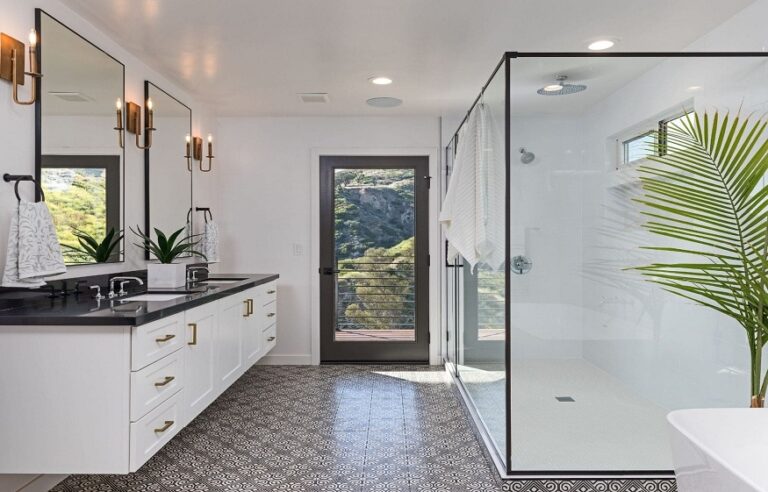
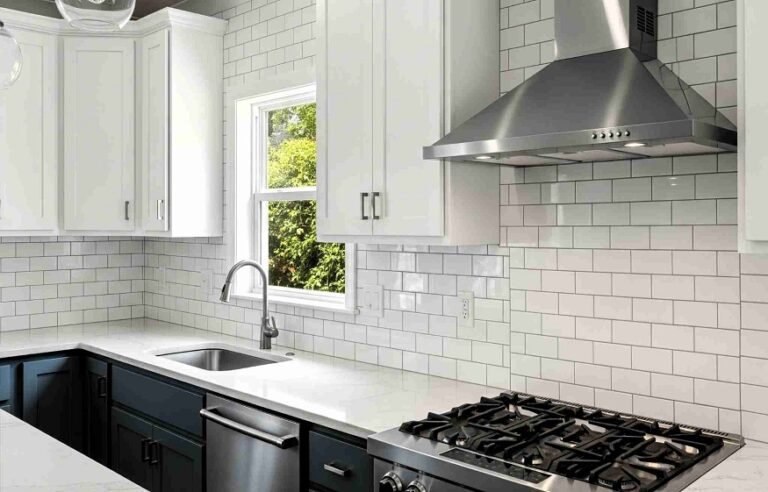
3. Rethink Kitchen and Bath Counters
Counters have a high visual load, and there should be a specific, careful approach to them. Paper composites of any type can be recycled and look luxurious without being wasteful; terrazzo using recycled chips, reclaimed stone, and sealed butcher block will likely all appear affluent without being wasteful. Use your finger to touch the surface, as an active kitchen area should be stronger than a vanity in a powder room.
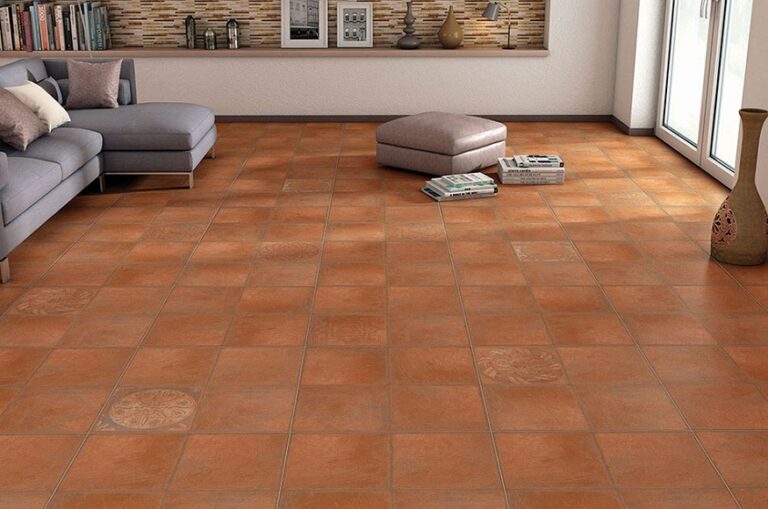
4. Bring Warmth Underfoot
Floors add ambience before furniture. Cork is soft and warm when bare feet rest on it. But bamboo can offer a clean appearance when used responsibly. In older homes, refinishing wood is usually the most environmentally friendly option. That is because it keeps useful materials out of landfills.
5. Balance Beauty, Care, and Lifespan
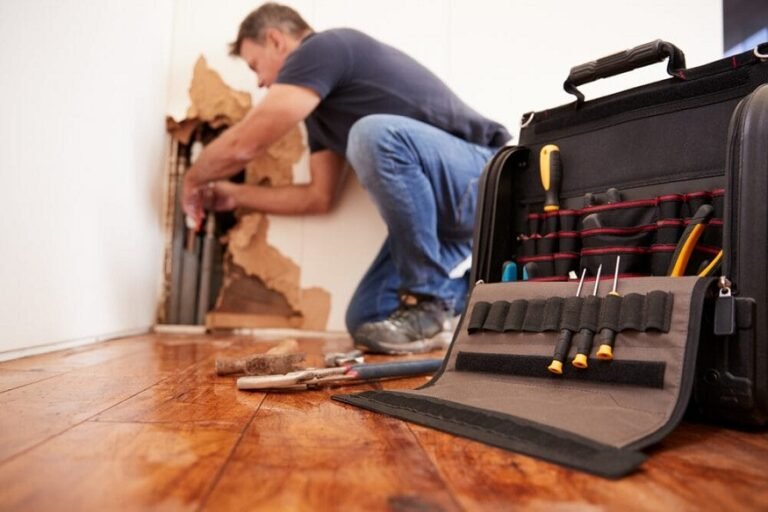
The only sustainable surfaces are those you can live on for years. So, before you settle on one, ask these questions. Is it easy to clean? How did it handle water? And can it be repaired rather than replaced? Quality materials result in a beautiful surface. They shouldn’t cause you to have a nervous breakdown every time someone spills juice.
Read More: Title: Understanding PVC-P Waterproofing: How Vinitex Delivers Superior Results
In conclusion, environment-friendly design is comfortable when warm and efficient. So, don’t just decorate with surfaces that are rough. Decorate with surfaces that are durable and comforting in value. By using the best materials, you can make your home feel beautiful without wasting what the planet has already given us.
About the Author