A tile can look fantastic in a showroom and become a completely different story once it’s living in your house. The bathroom gets steamy, the kitchen gets splashed, children run through the hallway, and suddenly that beautiful surface has a job to do. Good tile selection isn’t really about finding the prettiest option. It’s about knowing what will still look and perform well when everyday life gets involved.
1. Zellige and Terracotta: Let Their Character Show
These are handcrafted tiles meant to look a little imperfect. Zellige-style and terracotta tiles have the kind of variation you simply don’t get from a perfectly uniform factory-made surface. Their quality and features are difficult to reproduce with perfectly uniform factory-made products.
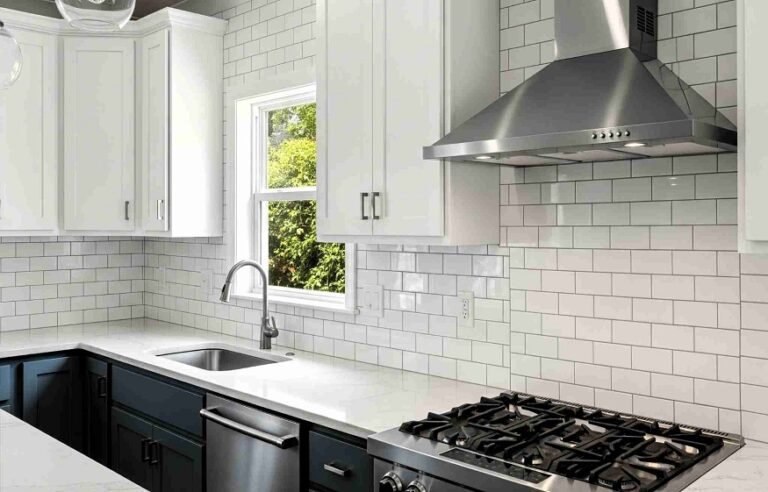
Zellige-style and terracotta subway tiles carry slight variations in surface, color and edge, so they look richer when treated as a feature rather than lost in a busy room—especially on a vertical statement wall behind a vanity, along a hallway, or around a fireplace. Such quality Subway Tiles can also bring warmth to a kitchen backsplash where the area isn’t subjected to constant aggressive cleaning.
However, Zellige-style and terracotta subway tiles are less convincing when asked to perform like industrial surfaces. That means they’re not the obvious choice for: floors taking heavy daily traffic, areas that need aggressive, frequent scrubbing, and places where water exposure and maintenance have not been properly considered.
Read More: Why and how to choose your vinyl floor?
An experienced tiler needs to work with those characteristics rather than trying to force every piece into a perfectly uniform pattern. Where appropriate, perfectly seal the tile with a compatible product and follow the right maintenance routine. Done properly, natural variation adds character without creating future problems.
2. Porcelain and Ceramic Subway Tiles: Put Performance and Design Where It Counts
There are rooms where appearance has to work alongside relentless practical demands. Think about a family bathroom, a shower installation or a commercial washroom where surfaces are exposed to water and cleaning day after day.
That’s where quality porcelain and suitable ceramic Subway Tiles earn their place by offering a practical combination of durability, moisture resistance and design flexibility. For shower floors, though, the issue isn’t simply choosing porcelain. Format and slip characteristics matter. Smaller mosaics can provide more grout joints and help accommodate the falls needed for drainage.
For a project with heavy use, an experienced tile professional will consider:
- Substrate and waterproofing
- Tile size and surface characteristics
- Drainage and floor falls
- Cleaning requirements
- Expected traffic.
That kind of specification prevents a visually attractive choice from becoming a maintenance problem later.
3. Marble and Limestone Subway Tiling: Use the Stone as an Accent
Natural marble and limestone subway tiles work differently. They carry refined appearance, particularly when its veining is used deliberately rather than scattered across every wall. This can refine your kitchen decor unmistakably.
A backsplash behind a range, a framed accent niche or a carefully selected section above a countertop can give the stone enough visual importance without turning the entire kitchen into a maintenance exercise.
Read More: Why choose vinyl flooring?
And this is where professional judgment becomes valuable. Natural stone is porous, while marble can react to acidic substances. So placing these options on an area exposed to acidic drinks and ingredients require surface treatment that upgrades protection.
For a high-end kitchen, ask whether the stone is:
- Appropriate for the specific location
- Honed or polished for the intended look
- Properly sealed
- Realistic for the household’s maintenance habits.
Luxury isn’t simply choosing marble. It’s choosing a stone that still makes sense after the showroom visit is over.
4. Glass Options: Let Light Do Some of the Decorating
A small kitchen with limited daylight can be frustrating. Adding more color or decorative objects isn’t always the answer. Sometimes the better move is to make the surfaces work harder with the light already available.
Glass subway tiles can help here. Their reflective qualities can bounce available light around a compact backsplash, helping the space feel brighter and less enclosed. They can be particularly effective behind a kitchen counter or in a smaller bathroom where every visual advantage matters.
But glass demands precision. Uneven walls, inconsistent adhesive coverage or unsuitable setting materials can become visible through the tile rather than being hidden.
That’s why this is not necessarily a material for the cheapest installation quotation. A specialist should assess:
- The wall condition
- Adhesive and setting system
- Lighting direction
- Grout color
- How the glass will meet cabinets and edges.
When properly planned, the result can feel light, clean and contemporary without relying on oversized decorative features.
In essence, there is no universally “best” subway tile. The smarter choice depends on what the surface will actually experience. Clay brings character, porcelain brings resilience, natural stone brings refinement, and glass can manipulate light. Matching material, placement and installation expertise is what turns those qualities into a renovation that continues to work years later.
About the Author