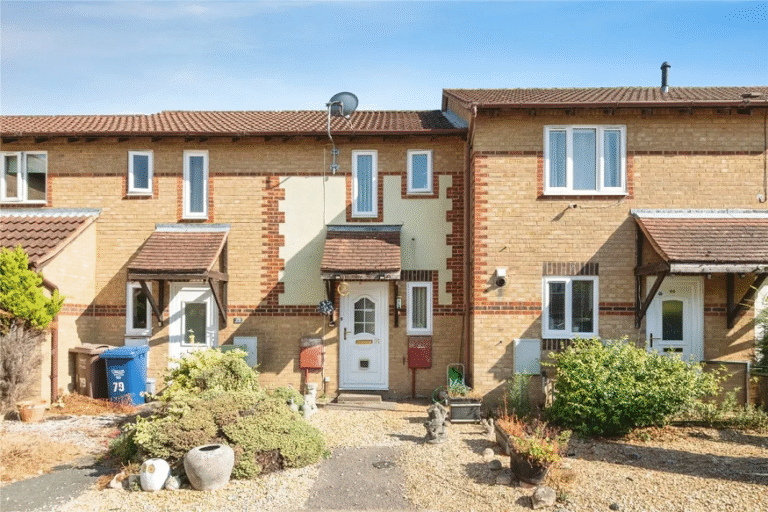
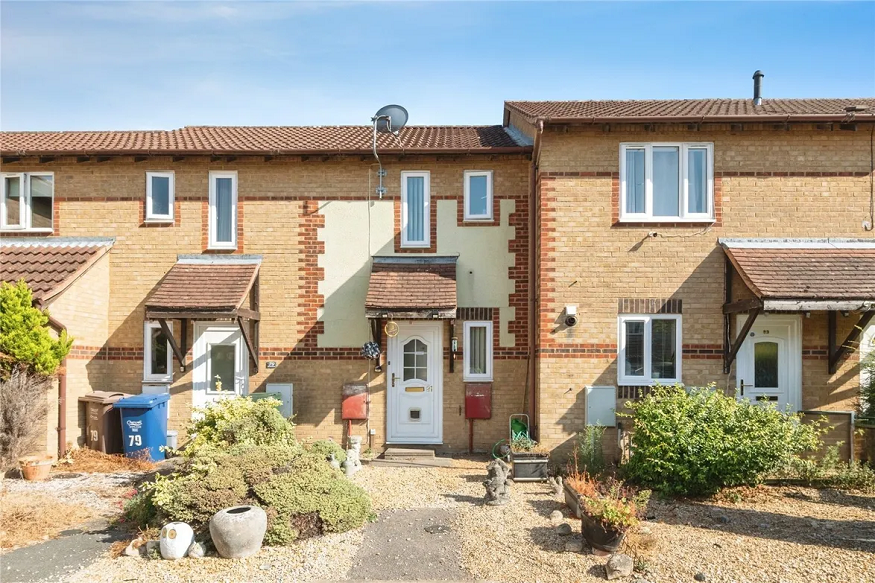
Downsizing has a bit of an image problem. Say the word and people often picture giving things up — less space, fewer rooms, a smaller garden to fuss over. But talk to anyone who’s actually done it well, and you’ll hear a different story: less house to maintain, more money in the bank, and a home that finally fits how they’re living now rather than how they were living ten or twenty years ago. If you’re weighing it up, getting proper downsizing help from estate agents in Bicester early on can save you a lot of second-guessing. Here are five things worth thinking through before you commit.
1. The market for smaller homes is more competitive than you’d expect
You’d think that moving into something smaller would be the easy part of the process. It often isn’t. Well-located flats, bungalows, and smaller houses around Bicester tend to get snapped up fast, because you’re not the only one who’s worked out that a more manageable home makes sense. Empty nesters, retirees, and anyone tired of heating rooms they never use are all chasing the same handful of properties.
That means you can’t necessarily treat the buying side as a formality once your current home sells. If the right bungalow comes up in a popular village, it might not hang around waiting for you. Being ready to move — mortgage in principle sorted, solicitor lined up, finances in order — puts you in a much stronger position when something suitable appears.
2. Location still matters just as much as square footage
It’s tempting to think that once you’re downsizing, the size of the place becomes the only thing worth obsessing over. In practice, where you end up matters just as much, maybe more.
Most people looking to downsize want to stay close to what they already know — family nearby, a GP they trust, shops they can walk to, decent transport links for visiting grandchildren or getting into town without needing the car every time. Bicester itself works well for this, but so do spots like Kidlington and Woodstock, and plenty of the smaller villages dotted around them. The right choice really depends on what your day-to-day actually looks like, not just what looks good on a floor plan.
3. Think ahead, not just about right now
It’s easy to downsize with today’s needs in mind and forget to think ten years further down the line. A property that suits you perfectly now might not suit you as well later, and moving twice in a decade isn’t most people’s idea of a good time.
Worth keeping an eye out for: a bedroom on the ground floor, even if you don’t need it yet. A walk-in shower rather than a bath you’ll eventually struggle to climb into. A garden that’s pretty but doesn’t demand a weekend of upkeep every month. None of this means picking somewhere that feels clinical or purpose-built for later life — plenty of ordinary, attractive homes tick these boxes without looking like it. It’s just about not painting yourself into a corner.
Read more: Houston Pipe Repair Techniques To Reduce Interruptions At Home
4. Energy efficiency is worth more attention than people give it
This one gets overlooked more than it should. An older property might have bags of character, but character doesn’t keep the heating bills down. If you’re moving into something smaller partly to make life easier and more affordable, it’s worth checking the EPC rating and asking what insulation, glazing, and heating setup you’re actually inheriting.
A slightly newer or better-insulated property might cost a touch more upfront but save you real money every winter after that. Over the years you plan to live somewhere, that difference adds up.
5. Local knowledge makes the whole process smoother
This is probably the part that gets underestimated the most. Downsizing well isn’t only about finding a smaller house — it’s about understanding the local market well enough to know where the value actually is, which areas are quietly popular, and which properties are worth moving on quickly versus waiting out.
A good local agent will often know about places before they’ve even hit the main property portals, which matters enormously in a market where the best options for downsizers don’t hang around. They’ll also have a realistic sense of what your current home is likely to fetch, which affects everything else in the plan — from your budget for the next place to your timing.
It’s a gain, not a loss
Downsizing done properly isn’t about settling for less. It’s about trading a house that’s become too big, too draughty, or too much work for one that actually suits how you want to live now — with money released along the way, and a lot less upkeep to think about. Bicester and the villages around it offer a genuinely good mix of options for exactly this kind of move: market towns, quieter village life, and solid transport links whichever direction you need to go.
Read more: Why uPVC Pipes Are the Preferred Choice for Modern Plumbing
Taking the time to think it through properly, rather than rushing the first available option, tends to be what separates a downsizing move that works from one people end up regretting.
About the Author