Dulwich Village has always felt a little apart from the rest of south-east London. Wide leafy roads, the park, the Picture Gallery and some of the country’s best-known schools keep demand steady even when other areas wobble. But this autumn the mood among sellers and buyers has shifted. Homes are taking longer to agree, buyers are asking for more reductions, and asking prices that looked fine a year ago are being tested. If you’re trying to work out what that means for your own plans, it helps to find help from estate agents in Dulwich.
What “cooling” actually looks like here
It’s not a crash. It rarely is in SE21.
What we see is a slower rhythm. Viewings still happen, and good houses still draw interest, but buyers are taking their time. Offers come in below asking more often, and sellers who once expected a quick sale are now waiting weeks.
That’s a change in pace, not a collapse in demand.
Why Dulwich behaves differently
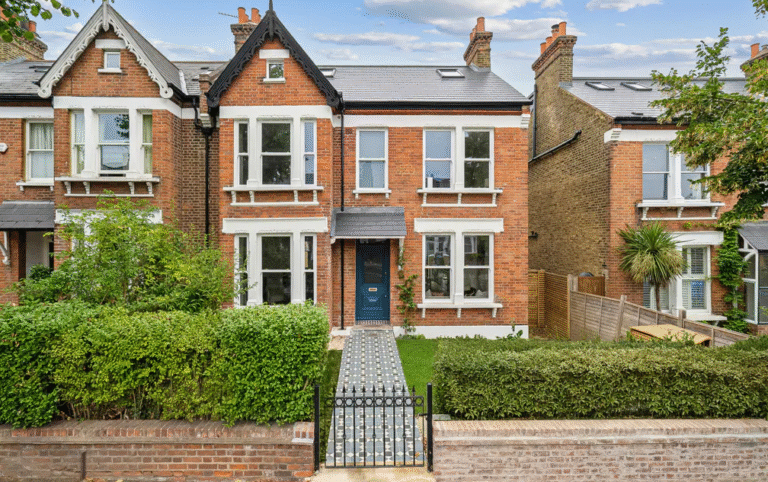
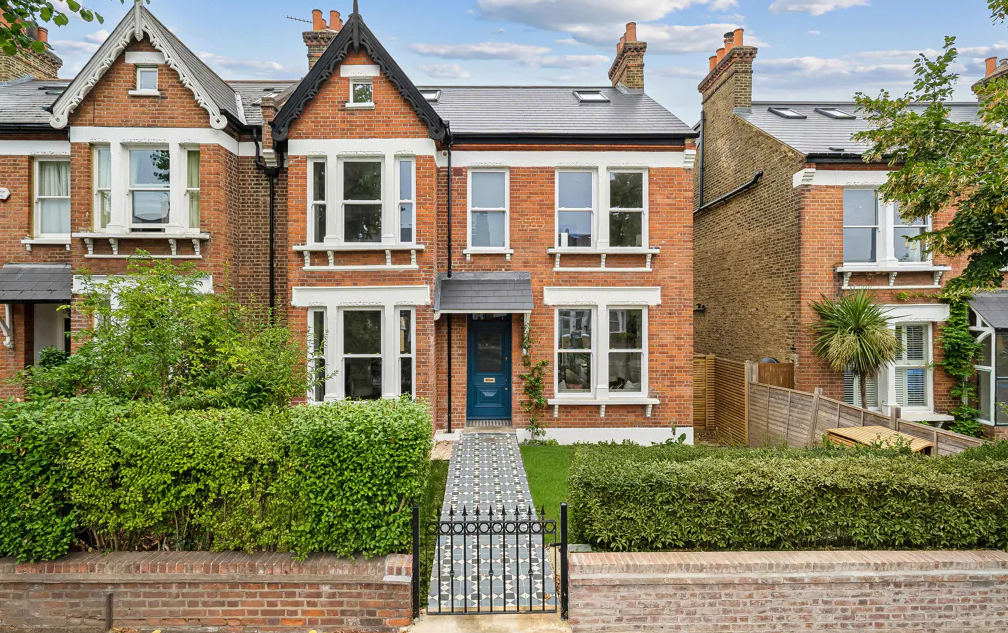
Part of the reason is the type of property. Dulwich Village is dominated by large Victorian and Edwardian family houses, many on generous plots, along with period conversions and a few newer developments. Buyers at this level are usually trading up, often with equity from a previous sale, so they aren’t as exposed to mortgage costs as first-time buyers.
Supply is also tight. Few new homes are built in the conservation area, so when demand dips, prices tend to bend rather than break.
Mortgage costs still matter
Even well-funded buyers feel borrowing costs. A family stretching to a £1.5m house on a sizeable mortgage will calculate every month carefully, and lenders’ stress tests bite harder at higher loan sizes. Buyers usually ask about this early, because it shapes what they can offer before they’ve even booked a viewing.
Stamp duty is part of the picture
Stamp duty is a bigger factor in this price bracket than many people expect. Since the thresholds changed in April 2025, buyers moving into a Dulwich family home face a noticeably larger bill than they once did, and for anyone buying an additional property the higher rate surcharge is now 5%. Those costs get priced into what people will pay for the house itself. It’s worth checking current rates before you commit, as they can change.
The schools effect
Dulwich College, Alleyn’s, JAGS and the strong local primaries create a pattern you can almost set a calendar by. Families want to be settled before the school year, so activity usually picks up in spring and early autumn.
Read More: Why Are Homeowners Choosing uPVC Doors and Windows in Haryana?
When the market is cooler, school catchment still matters, but buyers are more willing to wait for the right house. We see this quite often: a family will pass on a house that’s a little overpriced, then return months later when it has been reduced.
Village, North Dulwich, West Dulwich and Herne Hill
The wider area doesn’t move as one. The Village core, with its shops, the Common-style green spaces and Dulwich Park, commands the highest premiums. North Dulwich, with its fast trains to London Bridge, and West Dulwich and Herne Hill each attract slightly different buyers, and they react differently when conditions soften.
Read More: A Day in Sandown, Hour by Hour: From Breakfast on the Seafront to Sunset on the Pier
Herne Hill, with its market and its mix of flats and houses, tends to feel changes in affordability sooner than the Village’s larger homes.
The Dulwich Estate factor
A lot of the area sits under the Dulwich Estate’s scheme of management. If you’re thinking of extending, you need the estate’s consent and there are fees involved. Buyers ask about this more than you’d think, particularly when they’re planning loft or rear extensions, and having the paperwork in order can reassure a nervous buyer.
If you’re selling
Price for the market you’re in, not the one you remember. An overpriced house in a cooling market sits, and a house that sits starts to look tired to buyers. Good photography, a clear floor plan and tidy paperwork all help more than usual.
If you’re buying
This is a better moment to negotiate than it was a couple of years ago. Look at how long a property has been listed, whether it has been reduced, and what comparable houses really sold for rather than what they were advertised at.
If you’re a landlord
Rental demand from families and professionals remains solid, helped by the schools and the rail links to Victoria and London Bridge. But if your mortgage has been repriced, run the figures on net income before deciding whether to hold or sell.
What to watch next
Mortgage rates, stamp duty changes and buyer confidence will drive the next few months. If borrowing costs ease, Dulwich’s family buyers tend to return quickly. If not, expect more patience on both sides.
About the Author