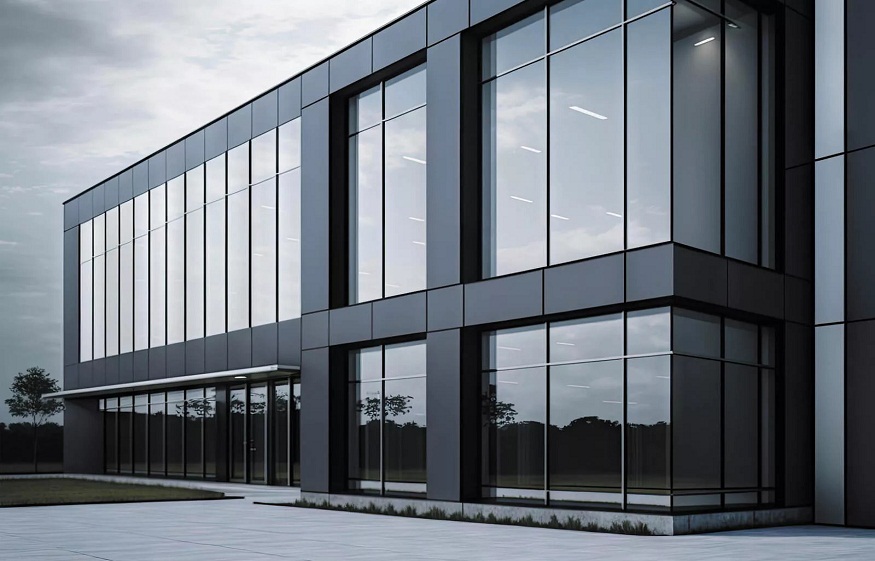
Modern commercial buildings demand construction materials that combine strength, durability, energy efficiency, and contemporary design. Whether it’s an office complex, shopping mall, hotel, hospital, educational institution, or corporate headquarters, every component of a commercial structure must deliver long-term performance while enhancing the building’s appearance. Among these components, windows, doors, and façade systems play a crucial role in creating functional and visually appealing spaces.
Over the years, aluminium window systems have become the preferred choice for commercial buildings due to their exceptional structural strength, sleek aesthetics, and low maintenance requirements. Unlike traditional materials, aluminium offers the flexibility to support large glass panels, withstand demanding environmental conditions, and meet the design requirements of modern architecture.
Read More : How to Choose the Best Plastic Water Storage Tanks
If you’re planning a commercial construction project, understanding the advantages of aluminium can help you make an informed decision.
1. Exceptional Strength with Lightweight Construction
One of the biggest advantages of aluminium is its impressive strength-to-weight ratio.
Despite being lightweight, aluminium is incredibly strong and capable of supporting large window panels, curtain walls, and expansive glass façades without compromising structural stability. This makes it an ideal material for commercial buildings where large openings and modern architectural designs are common.
Its lightweight nature also simplifies transportation, fabrication, and installation, reducing construction time while maintaining high structural performance.
2. Perfect for Large Glass Panels
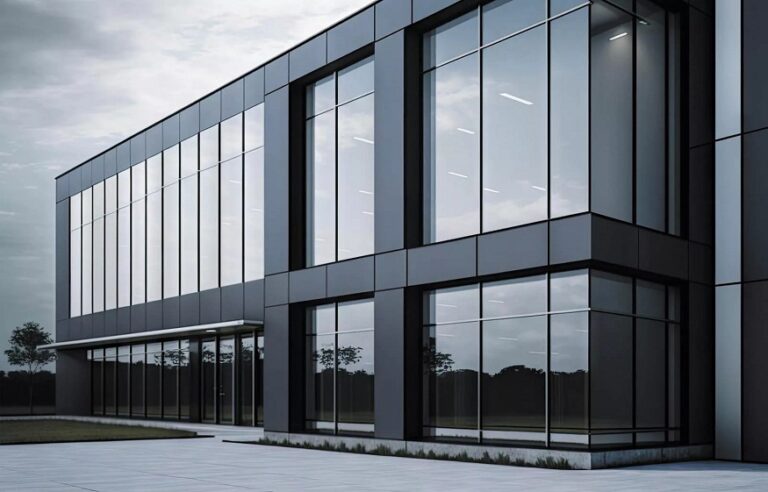
Contemporary commercial architecture often emphasizes open spaces, natural lighting, and panoramic views. Aluminium’s structural strength allows architects to design larger windows and wider door openings with slim frames.
The result is increased daylight, improved visibility, and an attractive façade that creates a bright and welcoming environment for employees, customers, and visitors.
This ability to support large glazing systems makes aluminium a preferred material for office buildings, retail outlets, airports, hotels, and business parks.
3. Excellent Durability
Commercial buildings experience heavy daily usage and are expected to perform reliably for decades.
Aluminium is naturally resistant to corrosion, rust, and moisture, making it suitable for a wide range of environmental conditions. Unlike wood, it does not warp, crack, or rot, while its protective finishes help maintain appearance even after prolonged exposure to sunlight and rain.
Its long lifespan reduces replacement frequency and helps lower the total cost of ownership over the life of the building.
4. Low Maintenance Requirements
Maintenance costs can significantly affect the operational expenses of commercial properties.
Aluminium window and door systems require minimal maintenance compared to traditional materials. They do not require regular painting, polishing, or anti-corrosion treatments. Routine cleaning with mild detergent and periodic inspection of hardware are generally sufficient to keep the systems functioning efficiently.
This low-maintenance nature makes aluminium an economical solution for large commercial developments.
5. Energy Efficiency
Modern aluminium systems are designed to support sustainable construction practices.
Many premium aluminium windows incorporate thermal break technology, which reduces heat transfer between indoor and outdoor environments. When combined with double-glazed or Low-E glass, these systems improve insulation, helping maintain comfortable indoor temperatures throughout the year.
Improved energy efficiency reduces the workload on HVAC systems, lowering electricity consumption while contributing to greener commercial buildings.
6. Superior Weather Resistance
Commercial buildings are continuously exposed to changing weather conditions, including heavy rainfall, strong winds, humidity, and intense sunlight.
High-quality aluminium window systems are engineered to withstand these environmental challenges without losing structural integrity. Their weather-resistant design minimizes water infiltration and air leakage while maintaining smooth operation for many years.
This dependable performance makes aluminium suitable for both inland and coastal commercial projects.
7. Enhanced Security
Security is an important consideration for offices, retail stores, healthcare facilities, and educational institutions.
Aluminium window and door systems are compatible with advanced locking mechanisms, reinforced hardware, and high-performance glazing solutions such as laminated or toughened safety glass. These features improve resistance to forced entry while maintaining ease of operation.
Strong security systems help protect occupants, equipment, and valuable business assets.
8. Modern Aesthetics
The appearance of a commercial building influences customer perception and brand image.
Aluminium’s slim profiles and clean lines create a modern architectural look while maximizing glass area. Available in a wide range of powder-coated colours, anodized finishes, and custom designs, aluminium systems complement virtually every architectural style.
Their versatility allows architects to create elegant façades that enhance both functionality and visual appeal.
9. Environmentally Sustainable
Sustainability has become a priority in commercial construction, and aluminium contributes significantly to environmentally responsible building practices.
Aluminium is one of the most recyclable construction materials available. It can be recycled multiple times without losing its properties, reducing the demand for new raw materials and minimizing environmental impact.
Its long service life and compatibility with energy-efficient glazing also support green building certifications and sustainable infrastructure projects.
10. Versatile Applications Across Commercial Projects
One of aluminium’s greatest strengths is its versatility.
Aluminium window and door systems are widely used in:
- Corporate office buildings
- Shopping malls
- Hotels and resorts
- Hospitals and healthcare facilities
- Educational institutions
- Airports and transportation hubs
- Restaurants and retail outlets
- Business parks and industrial offices
Its ability to combine durability, aesthetics, and performance makes it suitable for projects of all sizes.
Factors to Consider When Choosing Aluminium Systems
To maximize performance, consider the following before selecting an aluminium window system:
- Choose products from a trusted manufacturer.
- Look for thermally broken profiles if energy efficiency is important.
- Select double-glazed or Low-E glass where appropriate.
- Ensure the hardware is durable and corrosion-resistant.
- Verify that professional installation is included.
- Check warranty coverage and after-sales support.
Carefully evaluating these factors helps ensure long-term reliability and optimal building performance.
Conclusion
Commercial buildings require construction materials that deliver strength, efficiency, durability, and modern aesthetics without increasing maintenance costs. Aluminium meets these requirements exceptionally well, making it one of the most trusted materials for contemporary commercial architecture.
Read More : Boost Your Water Line with HDPE Pipes
Its ability to support large glass panels, resist harsh weather conditions, improve energy efficiency, and provide long-lasting performance makes aluminium an excellent investment for office buildings, hotels, retail spaces, healthcare facilities, and educational institutions. Combined with professional installation and quality glazing, aluminium window systems enhance both the functionality and appearance of commercial properties.
As businesses increasingly prioritize sustainability, operational efficiency, and architectural excellence, aluminium continues to set the benchmark for modern commercial buildings. Choosing high-quality aluminium systems is not just a design decision—it is a long-term investment in performance, reliability, and lasting value.
About the Author