Clearing out your gutters is often the first step homeowners take when dealing with water overflow. It feels like the obvious fix. Remove the leaves, flush out the visible debris, and expect everything to flow normally again. But when your downpipes continue to overflow even after a thorough clean, the issue is usually not where you can see it. This is a clear sign that the blockage lies deeper within the drainage system, beyond the reach of standard maintenance.
Understanding what is happening below the surface can help you address the real problem instead of repeating the same steps without results.
Why Surface Cleaning Isn’t Enough
Gutter cleaning focuses on removing debris from the top section of your drainage system. While this is important, it only addresses part of the overall structure. Water travels from the gutters into downpipes and then into underground stormwater pipes. If any part of this pathway is restricted, overflow will still occur.
When gutters are cleared, water often flows more quickly into the system. If there is an obstruction further down, this increased flow can actually make the problem more noticeable. Instead of preventing overflow, cleaning the gutters can expose underlying issues that were already present.
Read More: Common Plumbing Issues in our Homes
Downpipes themselves can also hold debris that is not easily visible from above. Leaves, dirt, and sediment can accumulate inside the vertical pipe, especially at bends or connection points. Without proper access, it is difficult to remove these obstructions completely.
The biggest limitation of surface cleaning is that it does not address what is happening underground. Once water enters buried pipes, any blockage in that section will continue to disrupt the entire system.
What’s Likely Causing the Issue
If your gutters are clean but water is still backing up, there are several possible causes. One of the most common is compacted dirt and sediment within the underground pipes. Over time, fine particles wash into the system and settle at low points, gradually building up until they restrict flow.
Tree roots are another frequent cause of deeper blockages. Roots are naturally drawn to moisture and can enter pipes through small cracks or joints. Once inside, they expand and trap debris, creating a dense obstruction that cannot be cleared with basic methods.
Structural damage is also a possibility. Older pipes may crack, shift, or collapse due to age or ground movement. When this happens, water cannot pass through properly, and debris begins to accumulate around the damaged section.
In some cases, the issue may involve blocked downpipes themselves. Even if the top section appears clear, internal build-up or lodged debris can restrict water flow. This is particularly common in systems that have not been professionally cleaned for an extended period.
Read More: Understanding Steam Traps: Their Role and Importance
Each of these issues affects how water moves through the system, and none can be fully resolved through surface-level cleaning alone.
Signs the Problem Is Below Ground
There are several indicators that suggest the blockage is located deeper within your drainage system. One of the most obvious signs is water spilling over from the top of the downpipe during heavy rain, despite clean gutters.
You may also notice slow drainage even after flushing the system with a hose. Water may take longer than expected to clear, or it may back up instead of flowing freely.
Gurgling sounds or air bubbles in the pipes can indicate restricted flow. These noises occur when water struggles to move past an obstruction, creating pressure changes within the system.
In more severe cases, water may pool around the base of the downpipe or in surrounding areas. This suggests that the underground pipe is unable to carry water away effectively.
Recognising these signs early allows you to address the issue before it leads to flooding or property damage.
The Role of Professional Solutions
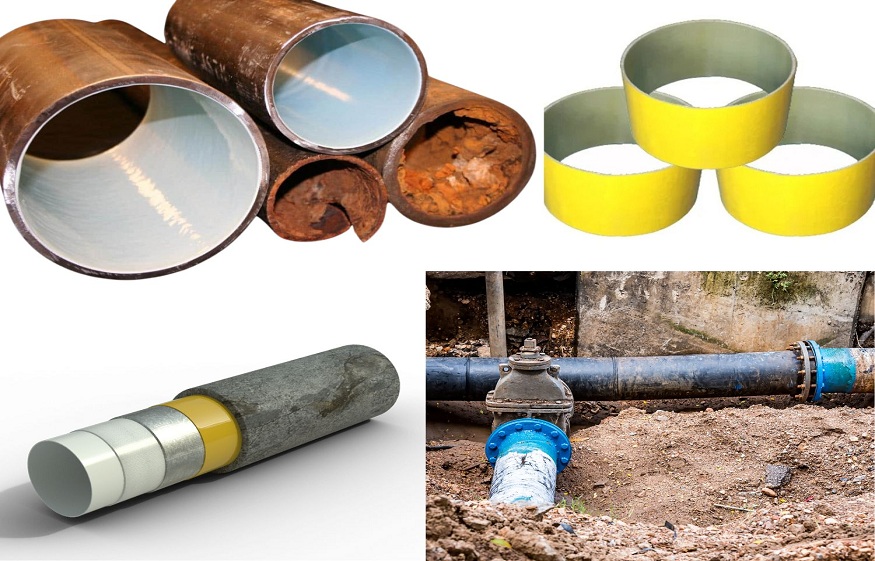
When the problem lies beyond the visible sections of your drainage system, professional intervention becomes necessary. Pipe relining is designed to remove blockages from underground pipes and restore proper flow throughout the system.
Unlike basic cleaning methods, professional equipment can reach deep into the pipe network. High-pressure water jetting is commonly used to break down and flush out compacted debris, sediment, and root intrusion. This ensures that the entire pipe is cleared, not just the accessible sections.
A qualified Drain cleaning plumber can also carry out a detailed inspection to identify the exact cause of the blockage. Using specialised tools such as drain cameras, they can assess the condition of the pipes and detect any structural issues.
If damage is found, appropriate repairs can be recommended to prevent the problem from recurring. This may involve fixing cracked sections, replacing damaged pipes, or addressing areas where roots have entered the system.
Professional services provide a complete solution rather than a temporary fix. They ensure that every part of the drainage system is functioning as it should.
Preventing Future Overflow Issues
Once the system has been properly cleared, ongoing maintenance helps prevent similar problems from developing. Regular inspections ensure that debris and sediment do not build up to the point of causing blockages.
Managing vegetation around your property can also reduce the risk of root intrusion. Keeping trees and large plants at a safe distance from drainage lines helps protect underground pipes.
It is also important to monitor how your system performs during heavy rainfall. Any changes in flow or signs of overflow should be addressed promptly to avoid larger issues.
Taking a proactive approach ensures that your drainage system continues to operate efficiently, even during periods of high demand.
Conclusion
Cleaning your gutters is an important part of home maintenance, but it does not always solve drainage problems. If your downpipes continue to overflow, the blockage is likely located deeper within the system. Compacted debris, tree roots, or structural damage can all restrict water flow beyond the visible sections.
Instead of repeating surface-level fixes, it is best to have the system professionally assessed. Contact a qualified plumber to inspect and clear the entire drainage network. Addressing the root cause ensures reliable performance and protects your property from unnecessary water damage.
About the Author