Coastal living comes with clear lifestyle benefits, but it also brings conditions that quietly increase the risk of timber damage in homes and buildings. In cities like Sydney, where ocean air, humidity, and dense vegetation combine, timber structures are exposed to a set of challenges that inland properties simply do not face at the same level.
For homeowners, this often becomes noticeable only after damage has already progressed. Understanding why coastal properties are more vulnerable is the first step in protecting your home and knowing when to act.
The Role of Humidity in Timber Deterioration
One of the biggest factors in coastal areas is consistently high humidity. Moisture in the air is absorbed by timber, especially in older homes or structures without proper sealing. Over time, this creates the ideal environment for timber to soften, weaken, and become more susceptible to decay.
Read More : Best Countertop Liquor Storage for Tiny Kitchens
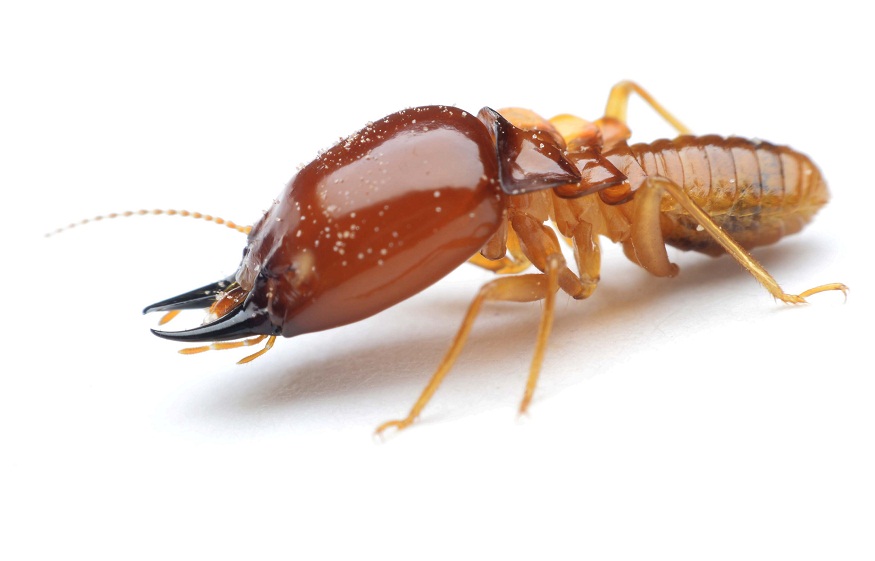
Damp timber does not just affect structural integrity. It also attracts termites, which are naturally drawn to moist wood. Once the timber reaches a certain moisture level, it becomes significantly easier for termites to feed and establish colonies.
This is why termite control Sydney services often focus heavily on moisture management as part of long-term prevention strategies.
Salt Air and Its Hidden Impact
Salt carried through coastal air may not seem like an immediate threat, but it contributes to gradual material breakdown. While salt primarily affects metal components, it also plays a role in weakening protective coatings on timber surfaces.
As finishes and sealants break down faster in coastal environments, timber becomes more exposed to moisture intrusion. This cycle accelerates deterioration and increases the chances of internal damage that may not be visible from the outside.
Dense Vegetation and Natural Termite Habitats
Coastal suburbs are often surrounded by trees, gardens, and bushland areas. While these features improve liveability, they also create natural habitats for termites. Fallen branches, tree stumps, and organic debris provide ideal breeding grounds close to residential structures.
When termite colonies are already established nearby, the distance between their food source and your home becomes minimal. This makes it easier for them to access timber structures through underground pathways or concealed entry points.
Regular inspections and timely termite control Sydney solutions become essential in these environments, especially for properties located near bushland or coastal reserves.
Subfloor Conditions in Coastal Homes
Many coastal homes, particularly older properties, are built with raised foundations and subfloor spaces. These areas tend to trap moisture due to poor ventilation and proximity to damp soil.
Dark, humid subfloors create the perfect conditions for termite activity. Since these areas are rarely inspected by homeowners, infestations can go unnoticed for long periods. By the time visible signs appear inside the home, significant structural damage may already be present.
Addressing subfloor ventilation and moisture control is a key part of reducing timber risks in coastal regions.
Frequent Weather Changes and Timber Stress
Coastal cities often experience rapid weather shifts, including heavy rain, strong winds, and temperature fluctuations. These changes cause timber to expand and contract repeatedly, leading to small cracks and structural stress over time.
Even minor cracks can become entry points for moisture and pests. Once water begins to seep into timber, it accelerates decay and makes the material easier for termites to penetrate.
This ongoing stress is one of the reasons why coastal properties require more consistent maintenance compared to inland homes.
Why Early Detection Matters More in Coastal Areas
In coastal environments, timber damage tends to progress faster due to the combined effects of moisture, temperature, and pest activity. What might take years to develop inland can occur much more quickly near the coast.
Early detection is not just helpful- it is critical. Routine inspections allow professionals to identify hidden issues before they become major structural concerns. This includes detecting moisture buildup, early termite activity, and areas where timber is beginning to weaken.
Homeowners who rely on scheduled termite control Sydney inspections are far more likely to catch problems early and avoid costly repairs.
Practical Steps to Reduce Timber Damage Risk
While coastal conditions cannot be changed, there are practical steps homeowners can take to reduce the impact:
Maintaining proper drainage around the property helps prevent excess moisture from settling near foundations. Keeping gutters clean and directing water away from the structure reduces long-term exposure.
Sealing exposed timber surfaces and repainting when needed protects against moisture and salt air damage. Regular maintenance of decks, window frames, and external structures is especially important.
Clearing organic debris, such as leaves, mulch, and wood piles, away from the home reduces potential termite habitats. Ensuring that timber does not come into direct contact with soil is another simple but effective measure.
Improving subfloor ventilation allows trapped moisture to escape, making the environment less attractive to termites.
These measures, combined with professional support, form a strong defence against timber deterioration.
When to Seek Professional Help
If you notice signs such as hollow-sounding timber, bubbling paint, or unexplained cracks, it is important to act quickly. These can indicate underlying damage that may not be immediately visible.
Professional pest control specialists can assess the condition of your property and recommend the right treatment approach. This may include targeted termite treatments, moisture control solutions, or preventative barriers.
For coastal properties, relying on expert termite control Sydney services is not just about solving existing problems. It is about creating a long-term protection plan suited to the unique environmental conditions of the area.
Conclusion
Coastal cities offer a desirable lifestyle, but they also expose properties to higher risks of timber damage. Humidity, salt air, vegetation, and changing weather all contribute to conditions that accelerate deterioration and attract termites.
Read More : Stop Settling: A New Way to Think About Where You Live
Understanding these risks allows homeowners to take early action and maintain their property more effectively. With regular inspections, proper maintenance, and professional termite management, it is possible to protect your home and avoid costly structural damage over time.
If your property is located near the coast, staying proactive is the key to keeping your timber strong, secure, and termite-free.
About the Author