Waterproofing Is a Structural Safeguard
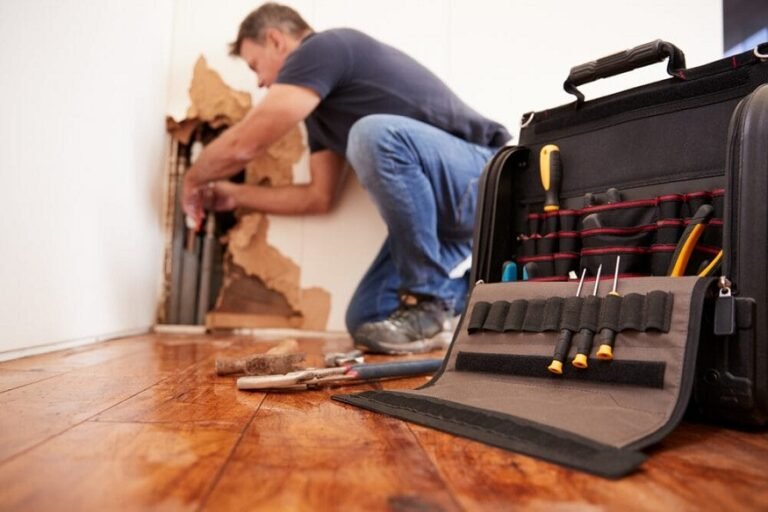
Waterproofing is not a finishing touch. It is a structural safeguard. When moisture penetrates a building envelope, the consequences extend far beyond cosmetic damage. Steel corrodes, concrete deteriorates, insulation loses efficiency, and internal finishes begin to fail. In commercial environments, water ingress can also disrupt tenants, halt operations, and trigger insurance complications.
Modern construction is increasingly employing high-performance membrane systems designed for durability, flexibility, and performance. Currently, one of the top choices for modern construction is Vinitex PVC-P Waterproofing, a system designed to meet the performance criteria of today’s Australian buildings.
To understand why Vinitex delivers superior results, it is important to first understand what PVC-P waterproofing is, how it functions, and where it excels.
What Is PVC-P Waterproofing?
PVC-P stands for plasticised polyvinyl chloride. It is a synthetic membrane material formulated with plasticisers that provide flexibility, making it suitable for dynamic building environments.
Unlike liquid-applied membranes, which cure on-site, PVC-P membranes are supplied in sheet form and manufactured in a factory. This ensures a controlled process, giving a predictable performance to the membrane system.
Read More: Best Countertop Liquor Storage for Tiny Kitchens
PVC-P waterproofing is commonly used in:
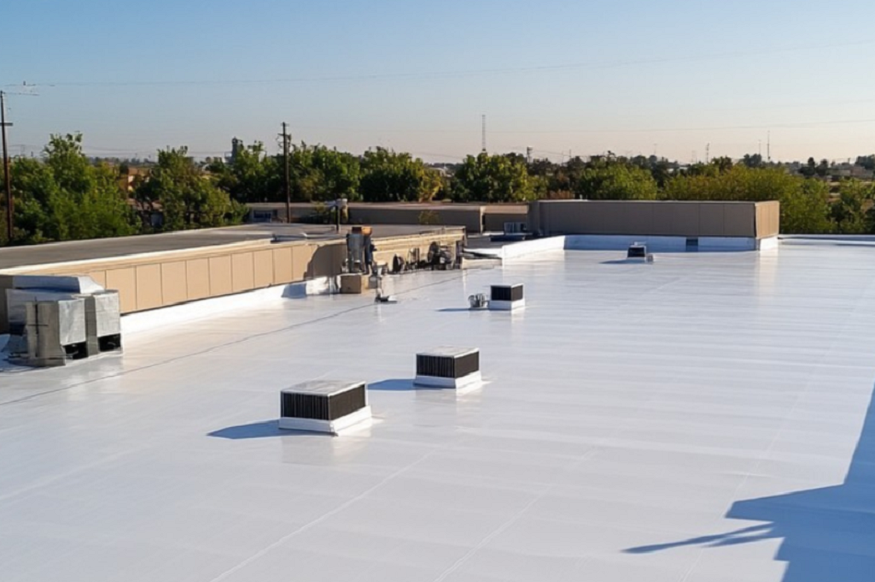
- Flat and low-slope commercial roofs
- Podium decks and terraces
- Basement and below-ground structures
- Green roof assemblies
- Wet areas within large-scale developments
- Exposed rooftop systems
The plasticised mixture enables the membrane to breathe with the changes in the building and the varying temperatures. Australia has a diverse climate, ranging from scorching heat in summer to cold mornings in winter.
Why PVC-P Membranes Are Favoured in Modern Construction
Over the past decade, PVC-P membranes have steadily gained preference among architects, builders, and waterproofing consultants. This shift is driven by several performance advantages.
Read More: A Grandmother’s Guide to Beautiful and Low-Maintenance Landscaping in Boulder
Factory-Controlled Quality
PVC-P membranes are made with factory-controlled quality. Uniformity in the thickness of the PVC-P sheet is critical for its water-resistant properties, and any thin spots in the PVC-P sheet could impair its effectiveness. Manufacturing in the factory reduces the likelihood of thin spots.
Heat-Welded Seam Technology
One of the most notable features of PVC-P membranes is the heat-welded seams that are made using hot air. Two sheets are welded together, and the result is a seamless, watertight sheet. When the seams are welded correctly, they are said to be as strong as, or even stronger than, the sheet itself.
Lightweight Yet Strong
PVC-P membranes are strong in terms of tensile strength without the addition of extra weight, especially for large roof surfaces.
Long-Term Durability
PVC-P systems are resistant to sunlight, weather, and roots, making them suitable for both open and landscaped conditions.
It is within this performance-driven category that Vinitex PVC-P Waterproofing distinguishes itself.
The Engineering Behind Vinitex PVC-P Waterproofing
What separates Vinitex from standard membrane systems is the attention to formulation, reinforcement, and long-term stability.
Superior Plasticiser Retention
One of the major concerns about PVC membranes of lower grades is plasticiser migration. As time progresses, plasticisers tend to migrate, making them brittle and prone to cracking. The Vinitex membranes are designed to retain plasticisers, making them flexible and structurally sound.
Reinforced Dimensional Stability
Vinitex membranes have in-built reinforcement layers to control shrinkage and warping. Dimensional stability is critical in expansive roofs where the day-night temperature fluctuations cause constant expansion and retraction.
Reliable Weldability
The weakest part of a sheet membrane system is the weld. Vinitex membranes offer reliable weldability, ensuring a strong weld at the seams, overlaps, and terminations. This reduces the possibility of failure at the seams.
UV and Weather Resistance
Australia’s high UV index can degrade inferior membranes. Vinitex is formulated for UV stability, allowing it to perform reliably in exposed rooftop environments without rapid surface breakdown.
Applications Where Vinitex Delivers Superior Results
The versatility of PVC-P makes it suitable for diverse applications. However, certain building types particularly benefit from the capabilities of Vinitex PVC-P Waterproofing.
Commercial Roofing Systems
Roofs of commercial buildings often have many penetrations, such as HVAC equipment, skylights, vents, and cable trays. Vinitex allows for precise detailing around these penetrations, maintaining water tightness over complex layouts.
The heat-welded seams create a seamless, monolithic membrane, greatly reducing the risk of water leaks over a broad area.
Podium Decks and High-Traffic Areas
Podium decks and terraces experience foot traffic and structural movement. Reinforced PVC-P membranes provide durability under load while retaining flexibility to accommodate movement without splitting.
Green Roof Installations
Green roof systems require waterproofing materials resistant to roots and wetness. PVC-P materials meet this requirement by allowing green roof systems to be designed while maintaining waterproofing integrity.
Below-Ground Structures
Basements are subject to hydrostatic pressures. Effective PVC-P systems can be a part of a complete below-ground waterproofing strategy.
Comparing PVC-P to Alternative Waterproofing Systems
To understand the advantages of Vinitex, it is useful to compare PVC-P membranes with other common approaches.
Bituminous Membranes
Bitumen systems are widely used but often require multiple layers and may involve open-flame installation. They can be heavier and less flexible over time.
Liquid-Applied Coatings
Liquid membranes are suitable for certain detailing scenarios but rely heavily on correct on-site application thickness. Variability in curing conditions can affect consistency.
PVC-P Sheet Membranes
PVC-P systems provide factory-controlled thickness, reinforced strength and heat-welded seams. This combination offers predictability across large-scale applications.
In performance-driven projects, these advantages position PVC-P and specifically Vinitex PVC-P Waterproofing as a preferred choice.
Why Vinitex Continues to Stand Out
The continued adoption of Vinitex is not driven by marketing claims but by measurable performance.
Key advantages include:
- Long-term flexibility
- Reinforced strength
- Reliable seam welding
- UV resistance
- Suitability for exposed and landscaped applications
- Compatibility with modern roofing systems
When these characteristics are combined with correct specification and professional installation, the outcome is a waterproofing system engineered for longevity.
The reliability of Vinitex PVC-P Waterproofing lies in its balance between flexibility and strength, two properties that must coexist in high-performing membranes.
Secure Long-Term Protection with the Right Waterproofing System
Waterproofing is a critical investment in your building’s long-term performance and structural integrity. Choosing Vinitex PVC-P Waterproofing means selecting a durable, compliant system designed for Australian conditions and engineered to minimise future repair risks.
At Waterproofing Direct, we supply high-performance waterproofing solutions backed by technical knowledge and industry experience. For product details, specifications, or project advice, visit https://www.wpdgroup.com.au/ or call 1300 557 973 to speak with our team about securing reliable protection for your next build.
About the Author